

I’m still basking in the glory of the Democrats’ victory in the midterms. The change feels real and lasting, as if the election was the rejection of MAGA and Trumpism that the country needed. Governing is more difficult, but Democrats appear to have the right leaders to meet the moment.
Both in the North Carolina legislature and in Congress, there’s the right mixture of new blood and experienced leaders. There’s also the diversity we need. The Democratic delegations in Washington and in Raleigh reflect our society. It’s so heartening to see, especially when Republicans look like a group photograph of a Southern frat house circa 1963.
Democrats have some issues to iron out, but they seem relatively minor compared to the broader goals of governing. The debates so far have been civil, much more so than what’s happening with Republicans. I’m confident right now that the problems will be short-lived and won’t hinder their ability to lead the country and state.
There’s an internal squabble over the Congressional leadership, but even that seems more minor than upending. Progressives want new leaders instead of Chuck Schumer in the Senate and Hakeem Jeffries in the House. I’ve also heard people say they want to replace Ken Martin as DNC chair. That’s probably not going to happen. No party, Democratic or Republican, is going to change leadership after a victory as big as this one. That’s just not how the world works.
That said, the sentiment reflects real concerns about the direction of the party. It’s time for a new generation of leaders. In a rapidly changing economy and society, we need leaders who reflect the new realities and the unique challenges we’ll face in an AI world.
Schumer, in particular, needs to prepare to exit the stage. Give him his last hurrah, and then he should step down. Democrats don’t want more leaders in their late 70s running their party. It hasn’t worked out very well.
Former Obama strategist David Axelrod suggested on Twitter that Schumer announce before the leadership vote that he would retire at the end of his current term. Jonathan Martin of Politico echoed that sentiment in an article yesterday. And Rahm Emanuel endorsed that position as well. Schumer should heed their advice.
The other argument on social media is over the filibuster. Progressives want to end it. Moderates want to keep it. There’s probably a middle ground.
The filibuster was designed to force consensus and to put the brakes on big, lasting changes that might steamroll through with a simple majority. However, in recent years, it’s been used to gum up the works. Instead of being used to bring senators together around compromise legislation, it’s been used to stop the Senate from functioning.
When he was Senate Minority Leader after Obama’s election, Mitch McConnell (remember him?) said, “The single most important thing we want to achieve is for President Obama to be a one-term president.” He abused the filibuster to prevent almost any legislation from passing and hoped voters would blame the Democrats. He turned a relatively rare procedure into routine practice.
Today, the Senate is a place where ideas go to die. Instead of arguing over the merits of individual bills, Congress resorts to huge omnibus bills or reconciliation to get anything controversial passed. That’s not how the body is supposed to work.
If the filibuster is not scrapped, it needs to be reformed. The Senate needs to become a functioning body again. Democrats need to do something. Limit its use. Lower the threshold from 60 to 55. I’m open to suggestions, but fix it.
That said, progressives need to acknowledge that scrapping the filibuster will allow bad, possibly dangerous bills to pass without proper vetting. For instance, the filibuster stopped the SAVE Act, which would have sharply curtailed voting rights. There must be a compromise somewhere that helps the Senate return to its role as the world’s greatest deliberative body instead of an institution paralyzed by the minority party.
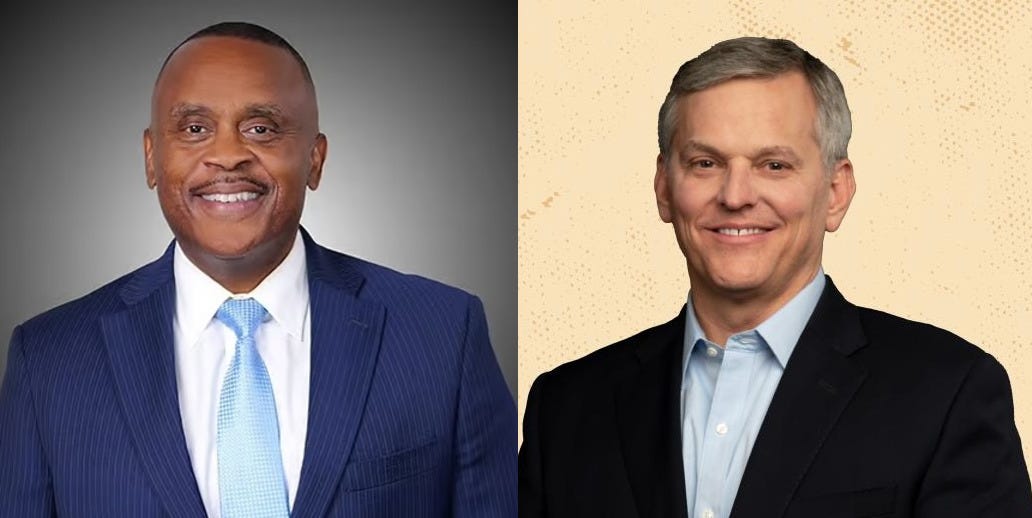
In North Carolina, incoming Speaker Robert Reives is taking a bipartisan approach to his transition. He’s put together a transition team that includes both Democrats and Republicans, and he’s seeking the help of two former Speakers, Joe Hackney and Dan Blue, with the transition. His leadership team reflects the diversity of the party and state. He clearly wants to hit the ground running and appears ready to work with the Republican-controlled Senate to get results.
Reives has laid out a modest agenda that acknowledges compromise is necessary with a GOP-controlled Senate, but also recognizes that Democrats won big in the midterms. He says the House will focus on affordability since that was the driving factor in the election. He also listed restoring the income cap on school vouchers, decriminalizing marijuana, and redistricting reform.
Reives will also have an seasoned partner in Governor Josh Stein. Stein served as attorney general and in the state Senate so he knows how the legislature works. He shares Reives commitment to getting results. While neither man is scared to throw a punch when needed, both would prefer to be at the negotiating table cutting deals for North Carolina. Together, they have a strong hand against a much weaker Senate and can largely set the agenda.
Reives says he wants the legislative process to be more transparent after years of Republicans centralizing control within the body. The NC Chamber withheld its legislative scorecard this year, criticizing the legislature for following the dysfunction in Washington. In its statement, the Chamber wrote:
North Carolina has become nationalized, not just in the issues dominating debate, but in how governing gets done. Omnibus bills, conference committees carrying multiple priorities, and party-line votes on high-profile overrides have long been standard practice in Washington. Now they’re increasingly shaping how the legislative process unfolds in Raleigh.
Reives wants to get back to regular order with open debate and more voices.
Democrats seem prepared for the future. They realize that the disagreements among themselves pale in comparison to their disagreements with Republicans and MAGA. The lessons they learned during Biden’s tenure are still with them. I don’t sense arrogance, and I don’t think we’ll see distractions or overreach. They want to make a difference, and Americans are counting on them to deliver. I believe they will. Ask me again in six months.
As a native Tar Heel, I am glad Leader Reives and Leader Batch are in the majority. Unlike some people I have talked to, I'm not opposed to reaching across the isle when it means getting important legislation passed in NC. I did wince a little seeing Sen. Ted Budd with Senator Elect Cooper and Gov. Stein in Swannanoa. I guess Budd is doing playing nice so he can get reelected.
https://bsky.app/profile/ncgovernor.bsky.social/post/3n2yodvjyfk2i
You state several worthwhile goals for Dems to focus on over the next two years. I wonder if there's anything to be done with redistricting to a more balanced set of districts. I would like to see an independent commission tasked with setting up non-partisan districts. It is still wholly ridiculous that the GOP could retain control of the NC Senate in a +15 blue wave year.