

Back in 2014, North Carolina had a Republican primary for US Senate that seemed to illustrate the divisions playing out within the party. Then-House Speaker Thom Tillis was the establishment candidate. Tea Party darling Greg Brannon was a libertarian-leaning physician. Mega-church pastor Mark Harris emerged as the choice of social conservatives. Tillis won the primary handily, in part, because neither of the other two candidates could put together the money. He went on to defeat incumbent Democrat Kay Hagan in a barn-burner.
While those three factions seemed to dominate the party at the time, two years later Donald Trump would upend all three. Over the next four years, the GOP morphed into the party of Trump with most traditional conservatives either abandoning their principles or their party. Today, it’s a largely populist party with an authoritarian streak.
Tillis is now ending his career mostly because the old-line GOP establishment is out of favor, though Tillis has also proven inept at navigating the Republican transformation. Greg Brannon is forgotten and the Tea Party that billed itself as a small government, more libertarian faction has no place in MAGA. Mark Harris, though, has fit right in and is now a Congressman after his third try, including one in which he was a central figure in the most notorious election fraud scandal in modern times.
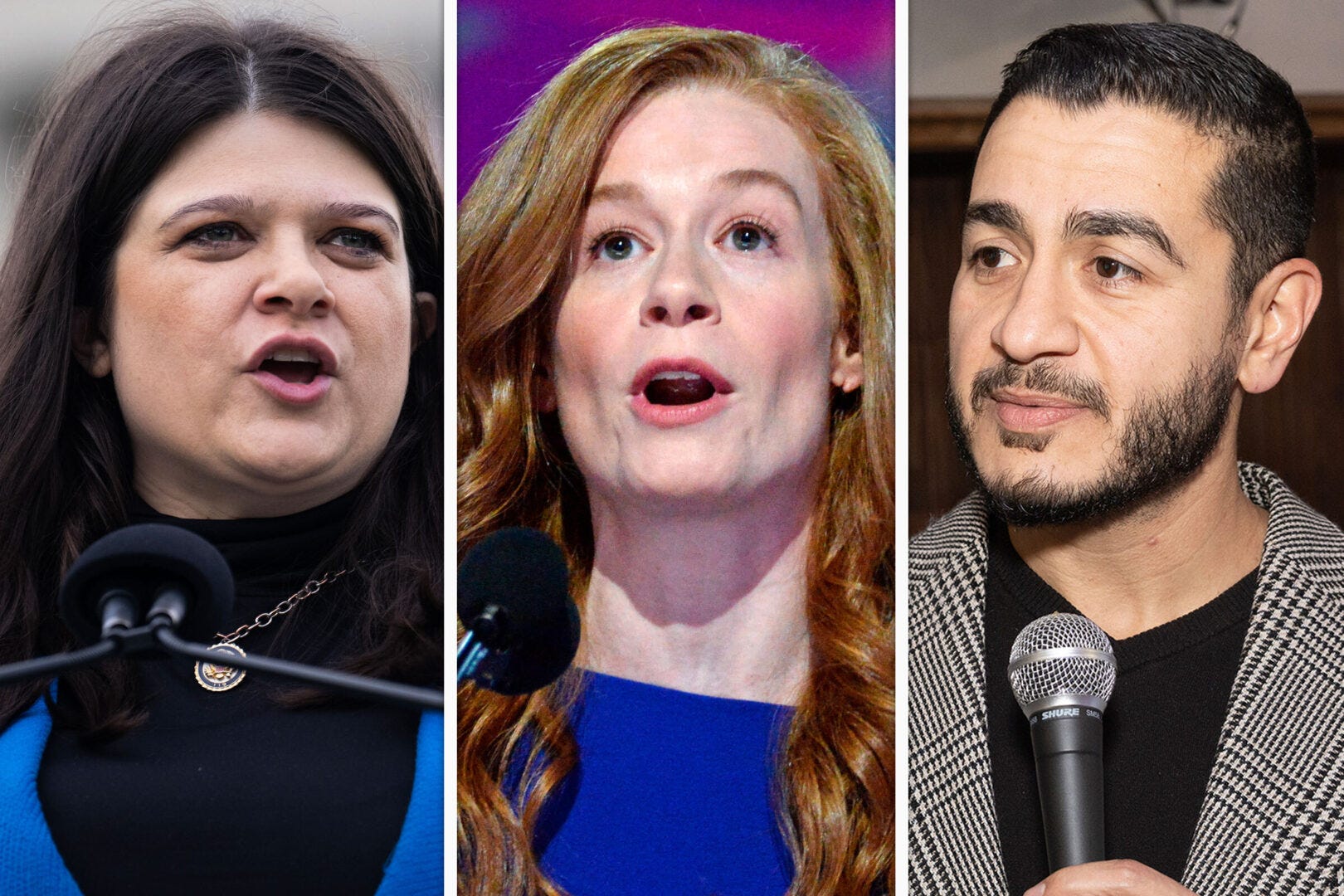
A similar situation is playing out in the Michigan Senate primary. Three factions of the Democratic Party are vying for the party’s nomination, though the seat is open and the state leans Democratic instead of Republican. Haley Stevens is a four-term Congresswoman who has the backing of the Democratic establishment. Mallory McMorrow is a state senator who has leveraged a viral video moment into a statewide campaign. Abdul El-Sayed represents the Democratic Socialist wing of the party and has the support of Bernie Sanders.
Stevens is appealing to the traditional Democratic base that’s older, more African American, and more working class. They are the most reliable voters, showing up regularly in both primaries and general elections. Right now, she seems to hold a very narrow lead, but who knows?
McMorrow, a first-term state senator at the time, blasted Republicans for accusing her of being a “groomer” back in 2022. The speech put her on the national radar and raised her millions of dollars. She’s used that leverage to launch her Senate campaign and has stayed in the hunt. She seems to be smart and likable but mostly performative.
This week, McMorrow has gotten some bad press for deleting old tweets from when she first moved to Michigan from California. She apparently was happy in the state at first and bashed the Midwest while pining for her old home state. I’m not sure that social media posts from a decade ago hurt candidates anymore, but we’ll see. McMorrow represents a younger, more social media-savvy electorate and seems to be striking a middle ground between Stevens and El-Sayed.
El-Sayed has embraced Democratic Socialism and made his opposition to the war in Gaza and support for abolishing ICE and implementing Medicare for All key components of his campaign. He’s supported by younger progressives and much of Michigan’s large Muslim community. He’s courted controversy by campaigning with leftist influencer Hasan Piker.
The primary seems a microcosm of the divisions within the Democratic Party today, much like the NC GOP primary in 2014 seemed to represent the larger battle within their party. Back then, Trump rearranged the party establishment that seemed dominant at the time but is largely nonexistent within the party today. He built MAGA from the cultural conservatives and disaffected working-class voters, many of whom supported Harris but some of whom were refugees from the old Democratic New Deal coalition.
Democrats appear due for a similar reorganization. The Democratic Socialists seem to be the ascendant faction within the party, with Mamdani, Platner, and El-Sayed creating the most enthusiasm. But back in 2014, the Tea Party still felt like the future and they turned out to be more vocal than sustainable. Today, many of them are staunch anti-Trumpers.
It’s worth paying attention to Michigan to watch where the energy goes. Democrats are deeply divided just like Republicans were in 2014. Trump emerged to unite them. It will be interesting to see what brings Democrats together — or tears them further apart.
The El-Sayed will lose and his followers will sit out the general election. It all comes down to which of the two women win and will the other woman's supporters put party and country before their candidate.
I worry about Maine now that Platner will be the Democratic nominee. Janet Mills has been a good governor. Platner has made some controversial comments, in particular antisemitic ones, and although Maine is starting to lean Blue, it is still divided. He will not get right leaning votes, where Mills could have. I'm afraid that Susan Collins will won once again. Michigan could be in the same position, depending on who wins. The extreme left is not any more inclusive than MAGA is.
We are fortunate that Roy Cooper is our Democratic nominee for the US Senate.