

When the 1994 GOP wave hit, I never saw it coming. I was working on a state senate campaign in Cleveland County. We didn’t have the polls that are so ubiquitous today, but I felt fairly confident about the election. I could not have been more wrong.
In Congressional races, Republicans won seats nobody expected. The delegation flipped from eight Democrats and four Republicans to eight Republicans and four Democrats. Even Congressman David Price, who represented Orange, Wake, and Chatham Counties, lost to Fred Heineman, a guy most people had never heard of. Waves like that come rarely but when they do, they upend politics.
This year might be one of those waves. Political prognosticator Charlie Cook, founder of the venerable Cook Political Report, writes, “The worst-case scenario for the GOP and best for Democrats today would have sounded ludicrous eight months ago; the most plausible today resembles Republicans’ nightmare scenario at the beginning of the year.”
Cook suggests that Republicans could lose 25-35 House districts and up to six Senate seats — and that’s only because the mid-year gerrymandering will protect Republicans from greater losses. He says that “…the sum and cumulative impact of Trump’s second-term baggage seems now to match or exceed those of Presidents Clinton, George W. Bush, and Obama.” He notes the impact of Trump’s most egregious mistakes — tariffs and the Iran War — have hit rural Republicans the hardest, driving up the cost of fuel for people who are vehicle dependent and drive larger, less fuel-efficient cars and trucks. Those folks may not vote for Democrats, but they probably won’t show up at all.
In that scenario, like 1994, certain races that aren’t getting much attention are suddenly relevant. In North Carolina, the Third and Ninth Congressional Districts might be in play. They’ve been overshadowed by the 11th Congressional District race where Democrat Jamie Ager has put together a strong campaign and the First Congressional District where Representative Don Davis is defending his newly gerrymandered seat, but both districts have caught the attention of national Democrats.
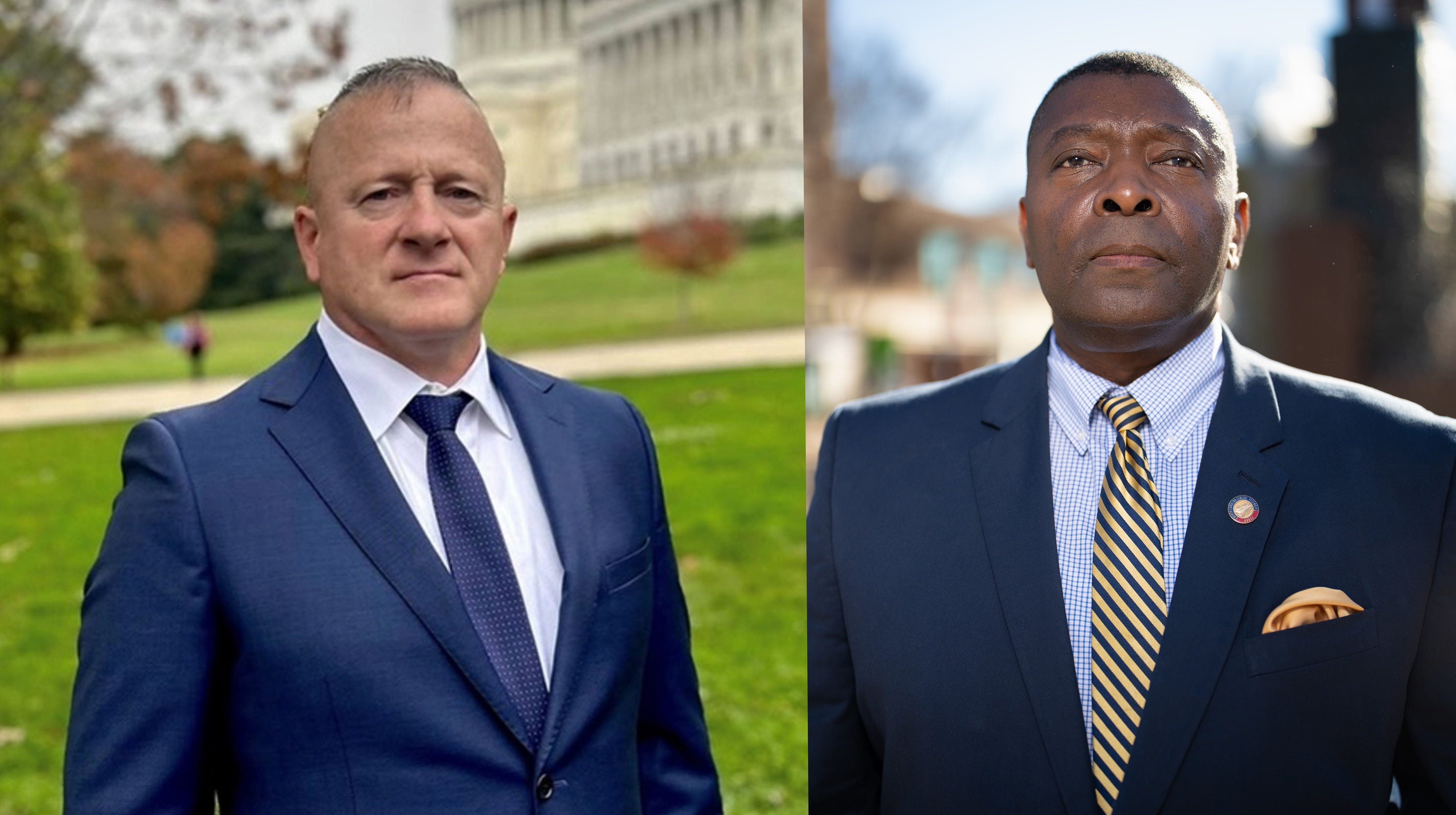
In the Ninth Congressional District, retired Army Major Richard Ojeda is challenging Congressman Richard Hudson, chair of the National Republican Congressional Committee, the campaign arm of the House Republicans. Ojeda has run an aggressive campaign in a district that includes much of Fort Bragg. He fits the district well with his military background and rural roots. He was elected state senator in West Virginia in 2016 before returning to North Carolina. The Democratic Congressional Campaign Committee added the seat to its Districts in Play program last month.
In the Third Congressional District, former state Representative Raymond Smith, Jr. is challenging Congressman Greg Murphy. A poll released by House Majority PAC, the Democratic Super PAC, shows Smith neck-and-neck with Murphy, trailing by three points in a poll with a margin of error of four. Smith, a retired educator and combat veteran, is known and respected in the region after having represented part of the district in the legislature.
Last year, Donald Trump ordered North Carolina legislative leaders to redistrict the state in the middle of the decade to create another GOP Congressional seat. Of course they bent over for him. Republicans moved some of Murphy’s Republican supporters into the First Congressional District held by Democrat Don Davis. Now, the First and Third Districts seem to be in play. Losing both would be some serious karma.
This might be the year when a Richard Ojeda or Raymond Smith could win seats that people thought were safe for Republicans. They’ll need the resources to win, though. They don’t need the most money, but they do need enough to get their message out and reach those swing voters looking for a change. They are good investments for people betting on a wave.
Cook finishes his analysis citing Trump’s most performative and egotistic moves — like renaming the Kennedy Center and Lake Ontario — as more reasons to drive voters away from Republicans who have failed to hold him accountable. He writes, “It appears to me that the president has now reached a critical mass of problems that are threatening to take this election to a place that the 2026 map and the small number of competitive districts and Senate seats should not allow it to go. I confess this is a lot bigger than I expected, but here we are.”
It feels like 1994 all over again, but this time my side is riding the wave, not missing it.

And that’s why Trump is doing everything he can to stop people from voting
From this page to god’s ears. I’ve already applied for my absentee overseas ballot and am waiting to hear from the BoE whether or not it’s been accepted. Holding my breath now.